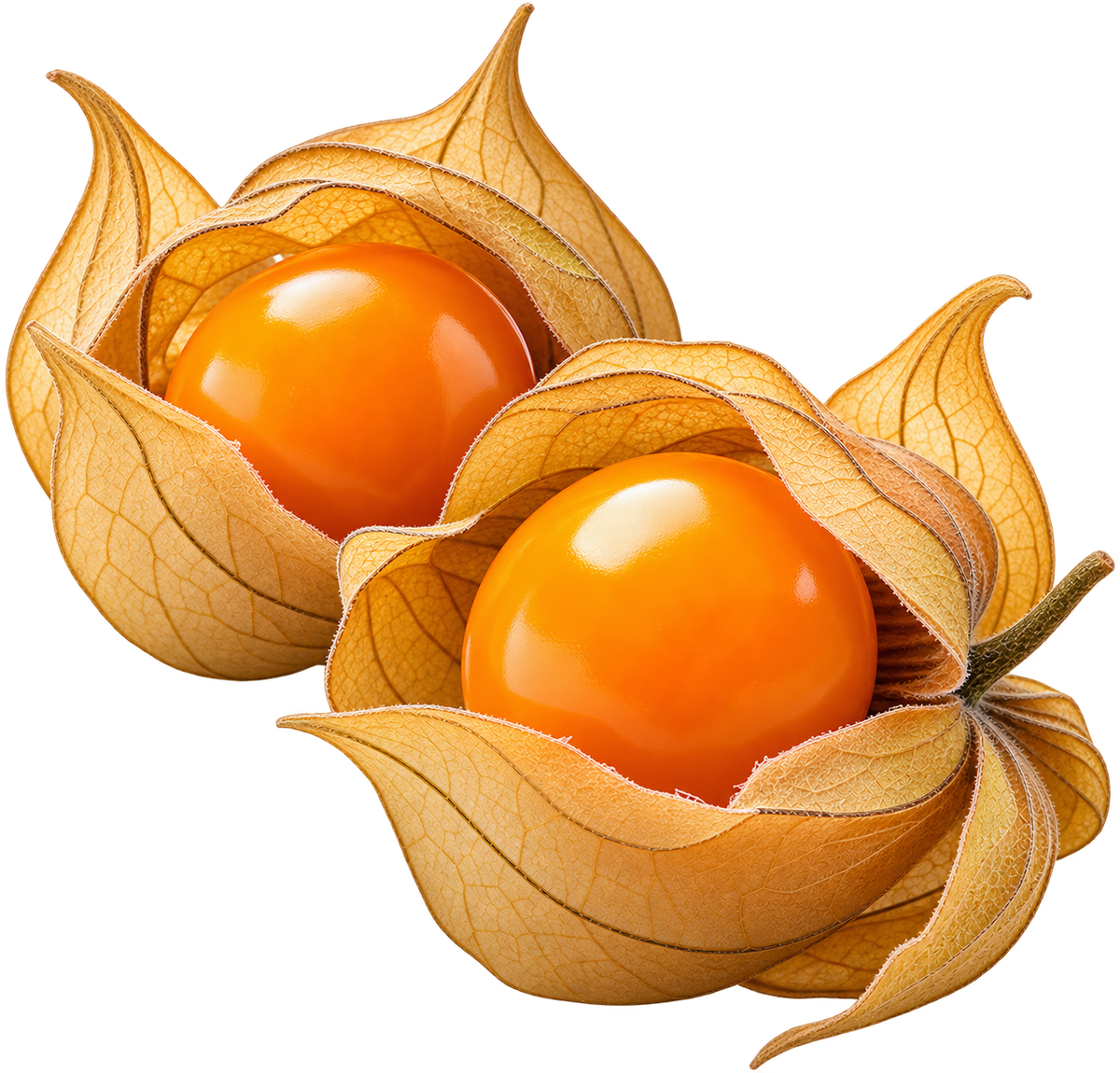
CAPE GOOSEBERRY: Raw
CAPE GOOSEBERRY: Raw
Couldn't load pickup availability
Short Summary for Cape Gooseberry
Cape Gooseberry (Physalis peruviana), also known as Goldenberry, Peruvian Cherry or Inca Berry, is a productive fruiting plant that produces small, round golden-orange fruits enclosed in attractive papery husks. The ripe fruits have a delicious sweet-tart flavour often compared to a combination of pineapple, tomato and strawberry. Plants generally grow approximately 0.5–1 m tall and thrive in warm, sunny conditions. The fruits are excellent for eating fresh, desserts, salads, jams, preserves and baking.
Planting Instructions for Cape Gooseberry
General Sowing Time:
Sow from spring through autumn in warm or frost-free areas. In colder regions, sow during spring after the danger of frost has passed.
Position:
Plant in full sun, preferably where plants receive at least 6–8 hours of direct sunlight per day.
Suitable Space:
Suitable for garden beds, raised beds and large containers. Allow sufficient room for the plants to develop their spreading, bushy growth.
Sow Depth:
Sow seeds approximately 5 mm (0.5 cm) deep and cover lightly with fine soil.
Spacing:
Space plants approximately 90 cm apart to provide sufficient room for growth and good airflow.
Height:
Plants generally grow approximately 0.5–1 m tall, although vigorous plants can become larger under favourable growing conditions.
Fruit Characteristics:
Produces small, round fruits approximately the size of a marble, enclosed inside distinctive lantern-like papery husks. The fruit changes to a rich golden-orange or yellow-orange colour when ripe.
Germination:
Seeds generally germinate within 2–6 weeks, depending on soil temperature and growing conditions.
Days to Harvest:
Allow approximately 110–140 days to maturity, although the first substantial harvest may take longer depending on climate and growing conditions.
Temperature:
Cape Gooseberries prefer warm conditions, ideally approximately 18°C–25°C. Protect young plants from frost and prolonged cold conditions.
Watering:
Keep the soil consistently moist but not waterlogged, particularly while plants are establishing and developing fruit. Once established, allow the upper soil surface to dry slightly between watering.
Fertilizing:
Plant in fertile, well-drained soil enriched with compost or organic matter. Apply a balanced fertilizer during early growth and a fertilizer with adequate potassium once flowering and fruiting begin.
Pests/Diseases:
Monitor for aphids, whiteflies, spider mites, caterpillars and fungal diseases. Good airflow, well-drained soil and avoiding excessive watering will help keep plants healthy.
Harvesting:
Harvest when the protective husk has become dry, brown and papery and the fruit inside has developed its characteristic golden-orange colour. Fully ripe fruits may also naturally fall from the plant.
Uses:
Cape Gooseberries can be eaten fresh, added to fruit salads and desserts, used in baking, or made into jams, sauces and preserves. They can also be dried for use as a snack.
In summary:
Cape Gooseberry is an attractive and productive fruiting plant that produces sweet-tart golden-orange berries inside decorative papery husks. It is easy to grow in warm, sunny conditions and is an excellent choice for home gardens and large containers.
Share