Catnip
Catnip
Couldn't load pickup availability
Short Summary for Catnip
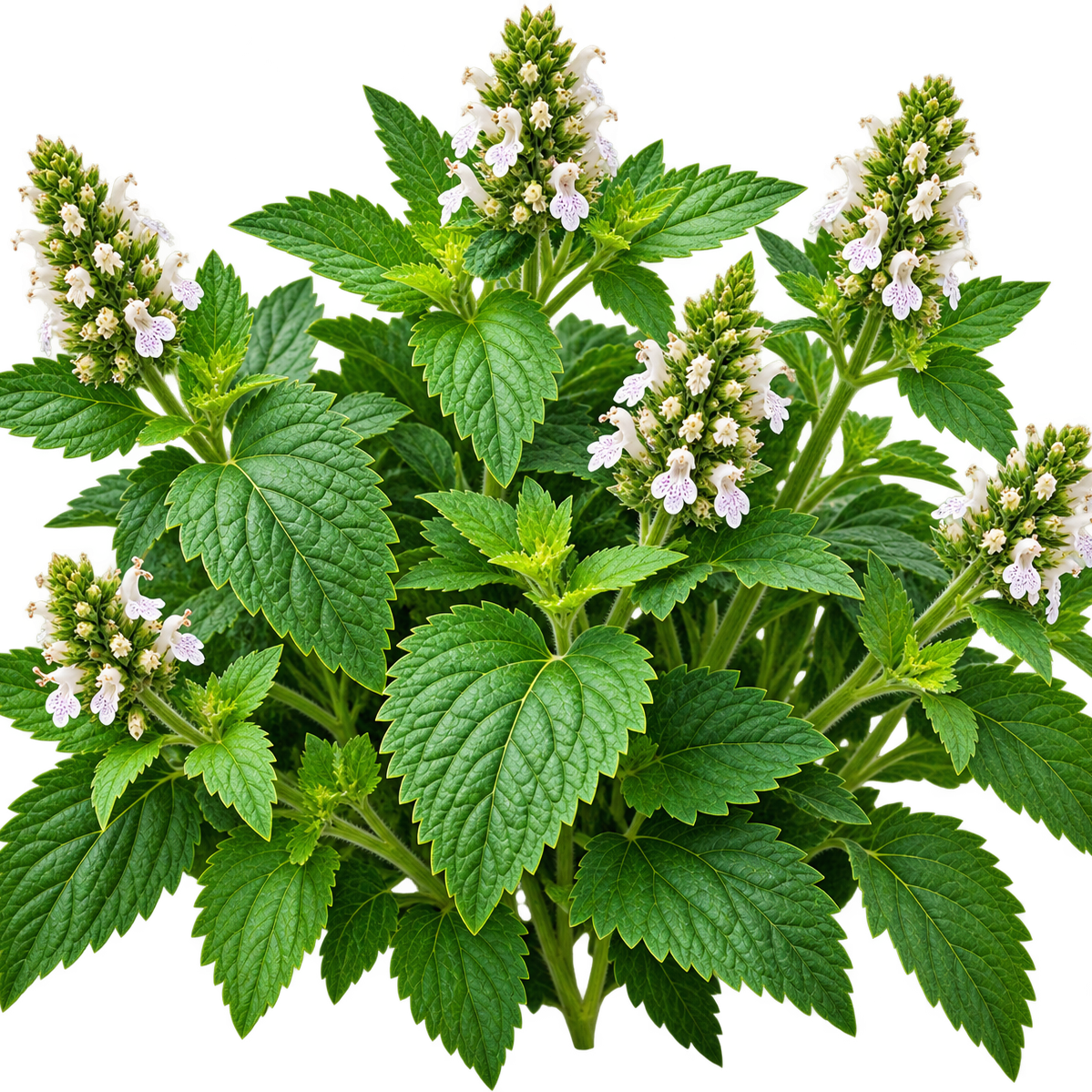
Catnip (Nepeta cataria) is an easy-to-grow perennial herb that produces aromatic grey-green leaves and small flowers that are highly attractive to cats. Plants generally grow approximately 50–90 cm tall and develop into bushy, fragrant clumps. Catnip performs best in sunny conditions and, once established, is relatively hardy and drought tolerant. It is an excellent addition to herb gardens, cottage gardens, pollinator gardens and containers.
Planting Instructions for Catnip
General Sowing Time:
Sow from spring through autumn. In colder regions, spring sowing is recommended so plants have sufficient time to establish before winter.
Position:
Plant in full sun, preferably receiving at least 6 hours of direct sunlight daily. Light semi-shade can be tolerated, particularly in very hot climates.
Suitable Space:
Suitable for herb gardens, garden beds, borders, raised beds and containers. It is also a useful addition to pollinator-friendly gardens.
Sow Depth:
Sow seeds approximately 0.5 cm deep and cover lightly with fine soil.
Spacing:
Space plants approximately 30 cm apart, with rows approximately 45 cm apart, allowing sufficient room for bushy growth and good airflow.
Height:
Plants generally grow approximately 50–90 cm tall, depending on soil, climate and growing conditions.
Leaf Characteristics:
Produces attractive aromatic grey-green leaves with a soft texture and distinctive fragrance. The foliage contains aromatic compounds that many cats find highly appealing.
Germination:
Seeds generally germinate within 7–14 days under suitable conditions.
Days to Harvest:
Leaves can generally be harvested approximately 90 days after sowing, once plants are well established.
Temperature:
Catnip grows well at approximately 15°C–25°C. Established plants are hardy and can tolerate a range of growing conditions.
Watering:
Keep the soil lightly and consistently moist during germination and establishment. Once mature, Catnip is relatively drought tolerant. Avoid waterlogged soil.
Fertilizing:
Catnip does not require heavy feeding. Grow in well-drained soil with some compost or organic matter. Excessive fertilizer can encourage soft, excessive leafy growth.
Pests/Diseases:
Generally a hardy and low-maintenance herb. Good airflow and well-drained soil help prevent fungal problems. Young plants may need protection from cats until sufficiently established.
Harvesting:
Harvest leaves and young stems once plants are established. For the strongest aroma, leaves can be harvested before or during flowering. Regular trimming encourages fresh, bushy growth.
Wildlife Benefits:
The flowers can attract bees, butterflies and other beneficial pollinating insects, making Catnip useful in pollinator-friendly gardens.
In summary:
Catnip is an easy-to-grow perennial herb producing aromatic grey-green foliage that is loved by many cats. Growing approximately 50–90 cm tall, it is a hardy and attractive addition to herb gardens, borders and containers.
Share