Chou Moellier Kale
Chou Moellier Kale
Couldn't load pickup availability
Summary for Chou Moellier Kale
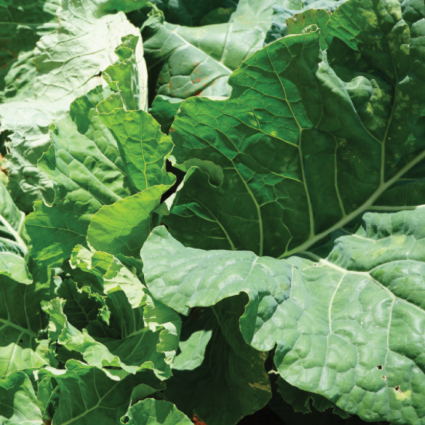
Chou Moellier, also known as Giant Marrow-Stem Kale, is a traditional, tall-growing leafy brassica valued for its vigorous growth and versatility. It produces an abundance of large, tender green leaves and thick stems that can be used for both human consumption and animal fodder. The leaves have a mild, slightly sweet flavor, making them excellent for soups, stews, stir-fries, or as a steamed side. Its robust growth and high yield also make it popular for livestock feed. Hardy and cold-tolerant, Chou Moellier is an adaptable variety that thrives in a wide range of soils and conditions.
Planting Instructions for Chou Moellier Kale
General Sowing Time: Sow from early spring to late summer. In mild climates, can also be sown in autumn for winter crops.
Position: Full sun to partial shade. Prefers fertile, well-drained soil enriched with compost or manure.
Suitable Space: Best for open-field planting, large garden beds, or allotments. Needs space for tall growth.
Sow Depth: 1 cm deep.
Spacing: 60–75 cm between plants; 75–90 cm between rows.
Height/Spread: Tall, robust plants grow 90–150 cm high, with a wide spread of 60–90 cm.
Germination: 7–14 days in warm, moist soil.
Days to Harvest: Leaves ready from 60–80 days; can be picked continually for many months. Stems can be harvested later if used for fodder.
Temperature: Thrives in cool to mild weather (10°C–24°C). Frost improves flavor and tenderness of the leaves.
Watering: Keep soil consistently moist, especially during dry spells. Mulch to conserve soil moisture.
Fertilizing: Apply a nitrogen-rich fertilizer or compost during early growth to support leafy production. Top-dress with potassium-rich feed for ongoing harvests.
Pests/Diseases: Monitor for cabbage worms, aphids, and flea beetles. Use row covers for protection. Practice crop rotation to reduce risk of clubroot.
✨ In summary: Chou Moellier Kale is a tall, high-yielding brassica that produces an abundance of large, tender leaves with mild flavor. Cold-hardy, adaptable, and productive, it’s perfect for both kitchen gardens and small farms — providing nutritious greens for people and fodder for animals.
Share