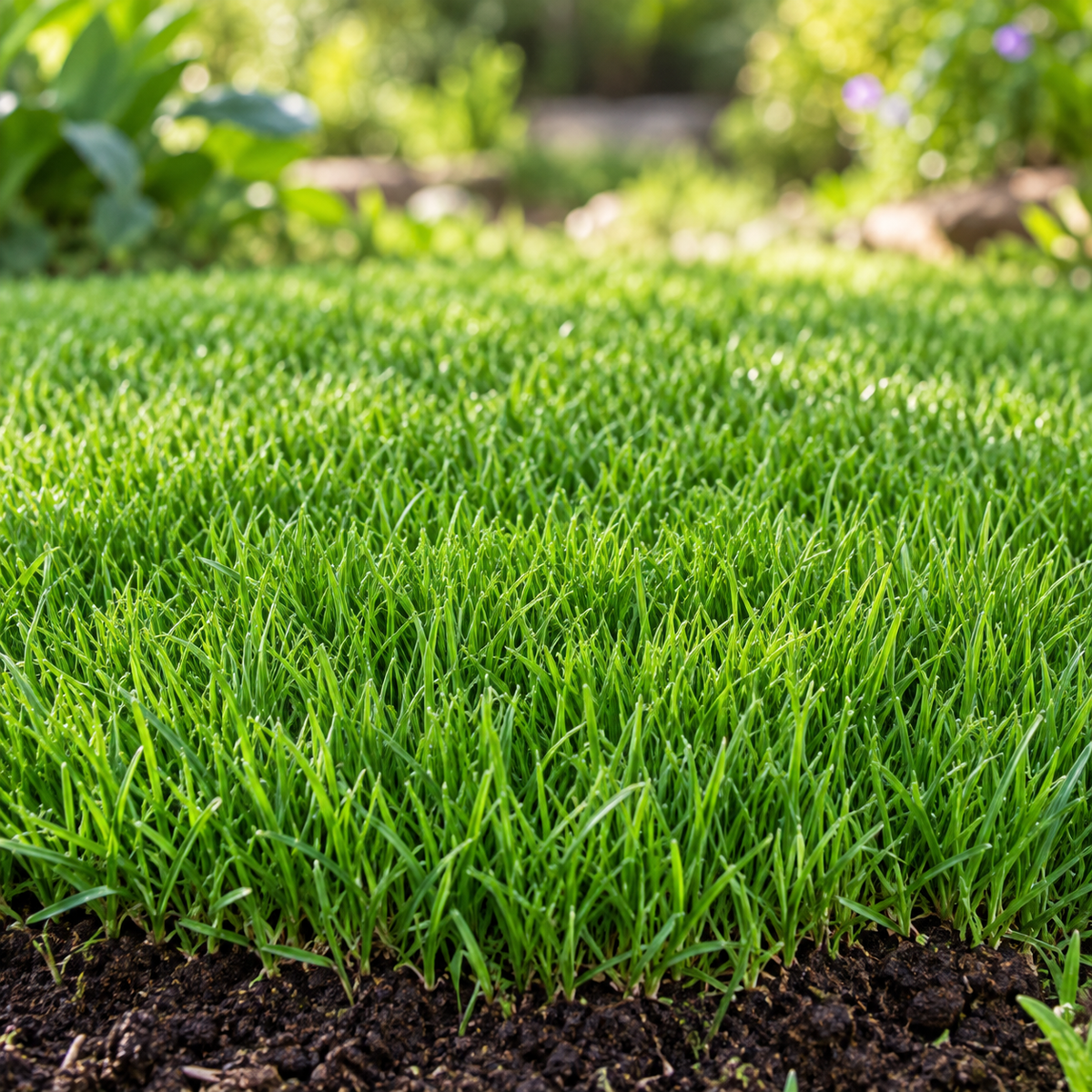
Pet Grass Turf Type
Pet Grass Turf Type
Couldn't load pickup availability
Short Summary for Pet Grass Turf Type
Pet Grass Turf Type is a fast-growing, soft green grass specially suited for pets to nibble, graze and enjoy. It develops a dense covering of fresh green blades and can conveniently be grown indoors or outdoors in pots, trays, containers or dedicated garden areas.
Approximately 100 g of seed covers 2–3 m², depending on the desired density.
Planting Instructions for Pet Grass Turf Type
General Sowing Time:
Can be sown throughout the year, especially when grown indoors. Outdoor sowing is best during mild to warm growing conditions.
Position:
Grow in full sun, semi-shade or a bright indoor position. Indoors, place the container near a bright window with good natural light.
Suitable Space:
Ideal for shallow trays, pots, containers and small garden areas where pets can easily access the fresh grass.
Sow Depth:
Sow seeds approximately 0.5–1 cm deep and cover lightly with fine soil or growing medium.
Spacing:
Sow seeds densely and evenly across the growing area to create a thick, turf-like covering.
Sowing Density:
A practical sowing rate is approximately 40–50 g of seed per m².
For approximately 100 g of seed:
- Dense turf: approximately 2 m²
- Lighter sowing: approximately 3 m²
Coverage:
Approximately 2–3 m² per 100 g of seed.
Height:
For pet use, the grass is generally best maintained at approximately 8–15 cm tall and can be trimmed when necessary.
Leaf Characteristics:
Produces fresh, upright green grass blades that develop into a dense, attractive turf-like covering when sown closely together.
Germination:
Seeds generally germinate within approximately 5–10 days when kept consistently moist.
Days to Use:
The grass can generally be offered to pets approximately 10–21 days after sowing, depending on temperature, light and growing conditions.
Temperature:
For good germination and growth, temperatures of approximately 15–25°C are suitable.
Watering:
Keep the growing medium consistently moist during germination, but avoid overwatering or waterlogged conditions. Once established, water regularly to keep the grass fresh and green.
Fertilizing:
Heavy fertilizing is generally unnecessary. A good-quality growing medium should provide sufficient nutrients. Avoid strong fertilizers or garden chemicals when the grass is intended for pets.
Growing Indoors:
Place trays or containers in a bright, well-ventilated position. Rotate containers occasionally to encourage even growth.
Maintenance:
Remove yellow or damaged blades and trim excessively long growth when required. For a continuous supply of fresh pet grass, sow new trays at regular intervals.
In summary:
Pet Grass Turf Type is an easy-to-grow, fast-growing grass for pets that produces fresh, dense green blades. It can be grown indoors or outdoors throughout the year. 100 g of seed will cover approximately 2–3 m², using a recommended sowing rate of approximately 40–50 g per m².
Share